
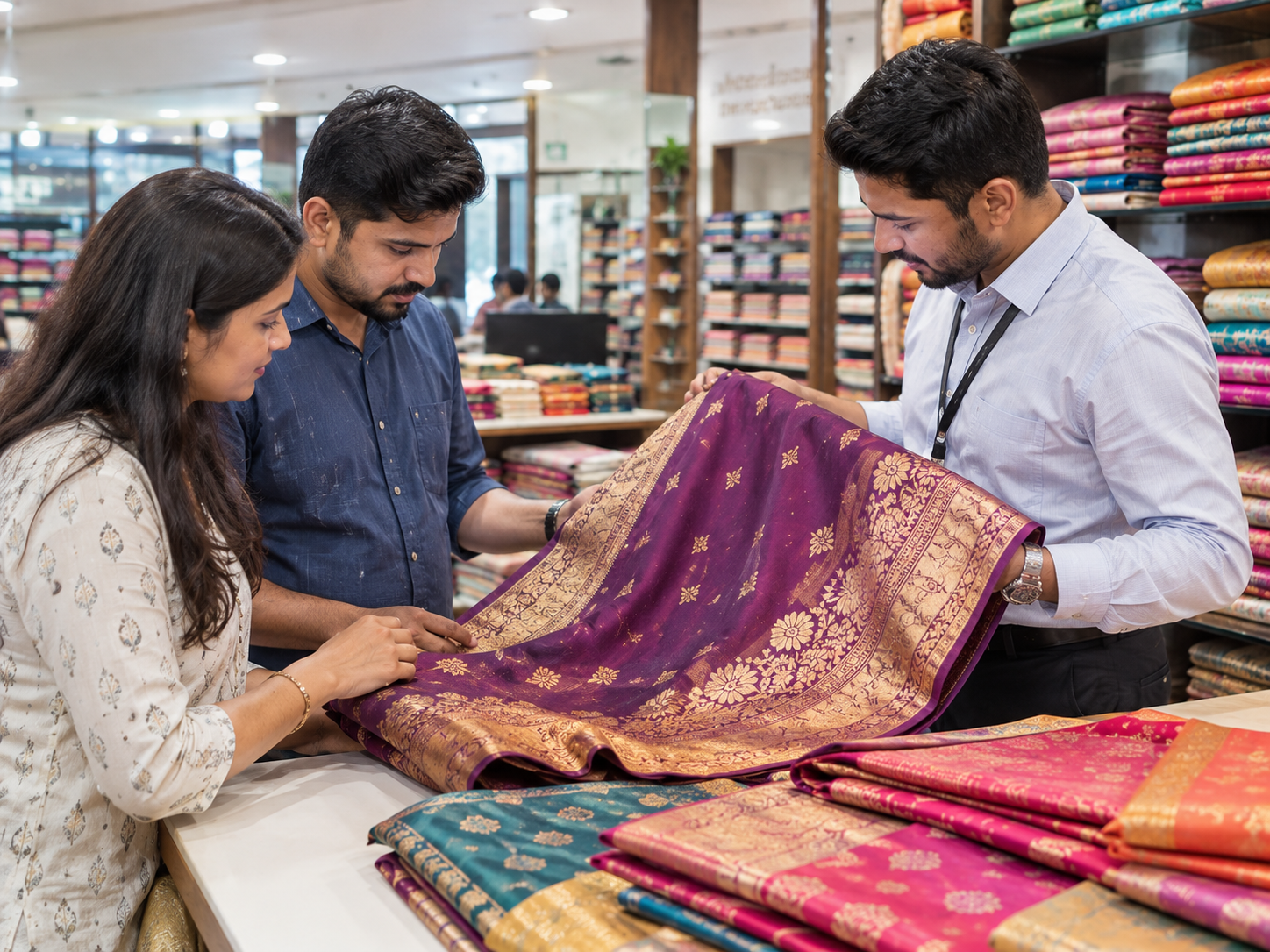
How to Identify Quality Sarees Before Buying in Bulk
Buying sarees in bulk is an important decision for retailers, resellers, boutique owners, and textile business entrepreneurs. The quality of your saree collection influences customer satisfaction, repeat purchases, and your business reputation. Before placing a wholesale order, it is essential to understand how to evaluate fabric, design, finishing, and overall product quality.
Surat is a well-known textile hub in India, offering a wide variety of sarees in different fabrics, colours, patterns, and price ranges. However, selecting the right collection requires more than choosing attractive designs. These practical tips can help you make informed wholesale purchasing decisions.
1. Check the Fabric Quality
Fabric is one of the first things to examine when purchasing sarees in bulk. Different fabrics have different textures, weights, draping qualities, and care requirements. Depending on your customers' preferences, you may consider cotton, silk, georgette, chiffon, satin, or other available fabric varieties.
Check the fabric description provided by the supplier and inspect a sample whenever possible. Feel the material, observe its texture, and confirm that the actual product matches the stated specifications. Avoid relying only on product photographs when making a large purchase.
2. Examine Printing and Colour Consistency
Printed sarees are popular for their variety of patterns and designs. Before buying in bulk, inspect the clarity of the print, alignment of patterns, and consistency of colours. Uneven printing or noticeable differences between pieces may affect the presentation of your collection.
Ask the supplier whether the available stock comes from the same design or production batch. If possible, compare multiple pieces and follow the recommended care instructions to understand how the fabric and print should be maintained.
3. Inspect Weaving, Embroidery, and Decorative Work
Sarees with woven patterns, embroidery, zari work, lace borders, or decorative embellishments should be checked carefully. Look for neat finishing, consistent patterns, secure threads, and properly attached decorative elements.
Pay attention to the border, pallu, and blouse piece, if included. Small finishing issues may become more noticeable when customers examine the saree closely, so checking these details before confirming a bulk order is a sensible business practice.
4. Review the Stitching and Overall Finishing
Overall finishing contributes to the appearance and usability of a saree. Check the edges, borders, loose threads, and any attached components. Make sure the saree is presented according to the product specifications and that any included blouse fabric is clearly described.
Ask the supplier about the inspection process used before dispatch. Clear product specifications and agreed quality expectations can help reduce misunderstandings between buyers and suppliers.
5. Compare Product Quality with the Wholesale Price
Low prices can be attractive, especially when purchasing large quantities. However, the cheapest option may not always offer the best value. Compare the fabric, design, finishing, packaging, and supplier terms alongside the quoted price.
Calculate the total purchase cost, including applicable taxes, shipping, packaging, and other charges. This gives you a more realistic understanding of your costs and helps you decide whether the collection suits your target selling price and expected profit margin.
6. Request Samples Before Placing Large Orders
For a new supplier or an unfamiliar product range, requesting a sample can help you assess the saree before committing to a larger order. A sample allows you to examine the fabric, colour, print, finishing, and product details more closely.
Confirm whether sample orders are available and whether any sample charges apply. If samples are not available, request clear photographs, videos, detailed specifications, and written confirmation of the product description before proceeding.
7. Verify the Wholesale Supplier
Product quality is only one part of a successful wholesale purchase. You should also evaluate the supplier's reliability, communication, business details, and order terms. Research customer feedback where available and ask clear questions about stock availability, dispatch timelines, payment methods, and replacement policies.
Keep written records of the agreed price, quantity, designs, delivery arrangements, and product specifications. This can help prevent confusion and provide a clear reference if an order does not match the agreed terms.
8. Choose Sarees According to Customer Demand
A high-quality saree collection should also suit the preferences of your target customers. Consider the age groups, budgets, occasions, and fashion preferences of the people who shop at your store. Some customers may prefer everyday cotton sarees, while others may look for festive, wedding, party-wear, or designer styles.
Study your previous sales, ask customers for feedback, and observe seasonal demand before deciding how much stock to purchase. A balanced collection can help you offer variety without investing too heavily in designs that may sell slowly.
9. Check Packaging and Delivery Conditions
Packaging and delivery are important considerations when purchasing sarees in bulk. Confirm how the products will be packed, how the shipment will be arranged, and what delivery timelines you can expect. Ask the supplier how damaged, missing, or incorrect items are handled.
When the order arrives, inspect the shipment promptly and compare the received items with your order confirmation. Report discrepancies according to the supplier's agreed process.
Common Mistakes to Avoid When Buying Sarees in Bulk
- Choosing a collection based only on photographs.
- Ignoring fabric specifications and finishing details.
- Purchasing large quantities without checking customer demand.
- Comparing prices without calculating the total purchase cost.
- Failing to confirm minimum order quantities and delivery terms.
- Not verifying the supplier or keeping written order details.
- Overlooking the return or replacement policy before payment.
Explore Wholesale Saree Collections with Jay Ambe Group Lalaji
Jay Ambe Group Lalaji is associated with Surat's textile market and offers saree collections for buyers exploring wholesale purchasing opportunities. Retailers and resellers can enquire about available designs, fabric details, pricing, stock availability, and bulk order requirements.
Before placing an order, discuss your business requirements and confirm the current product specifications and purchasing terms. Choosing a collection that fits your quality expectations, budget, and customers' preferences can help you plan your inventory more effectively.
Conclusion
Identifying quality sarees before buying in bulk requires attention to fabric, printing, weaving, embroidery, finishing, pricing, and supplier reliability. Taking time to inspect samples, confirm specifications, and understand order terms can help reduce purchasing risks.
For retailers and resellers sourcing sarees from Surat, a careful buying process supports better inventory planning and a more consistent customer experience. Make informed decisions, understand your customers' needs, and explore wholesale saree options with Jay Ambe Group Lalaji.
Frequently Asked Questions
What should I check before buying sarees in bulk?
Check the fabric, print or weaving quality, embroidery, borders, finishing, colour consistency, price, packaging, and supplier terms before confirming your order.
Should I request a sample before placing a wholesale saree order?
Requesting a sample is useful when available, particularly when working with a new supplier or buying an unfamiliar design. It helps you evaluate the product before placing a larger order.
How can I choose the right sarees for my shop?
Consider your customers' budgets, preferences, occasions, and previous buying patterns. Choose a balanced range of designs and quantities based on your market demand.
How can I compare wholesale saree prices accurately?
Compare similar fabrics, designs, finishing, quantities, and supplier terms. Include shipping, packaging, taxes, and other applicable costs when evaluating the total price.